
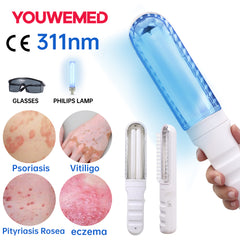
Бытовой инструмент для фототерапии UVB 311нм | YOUWEMED
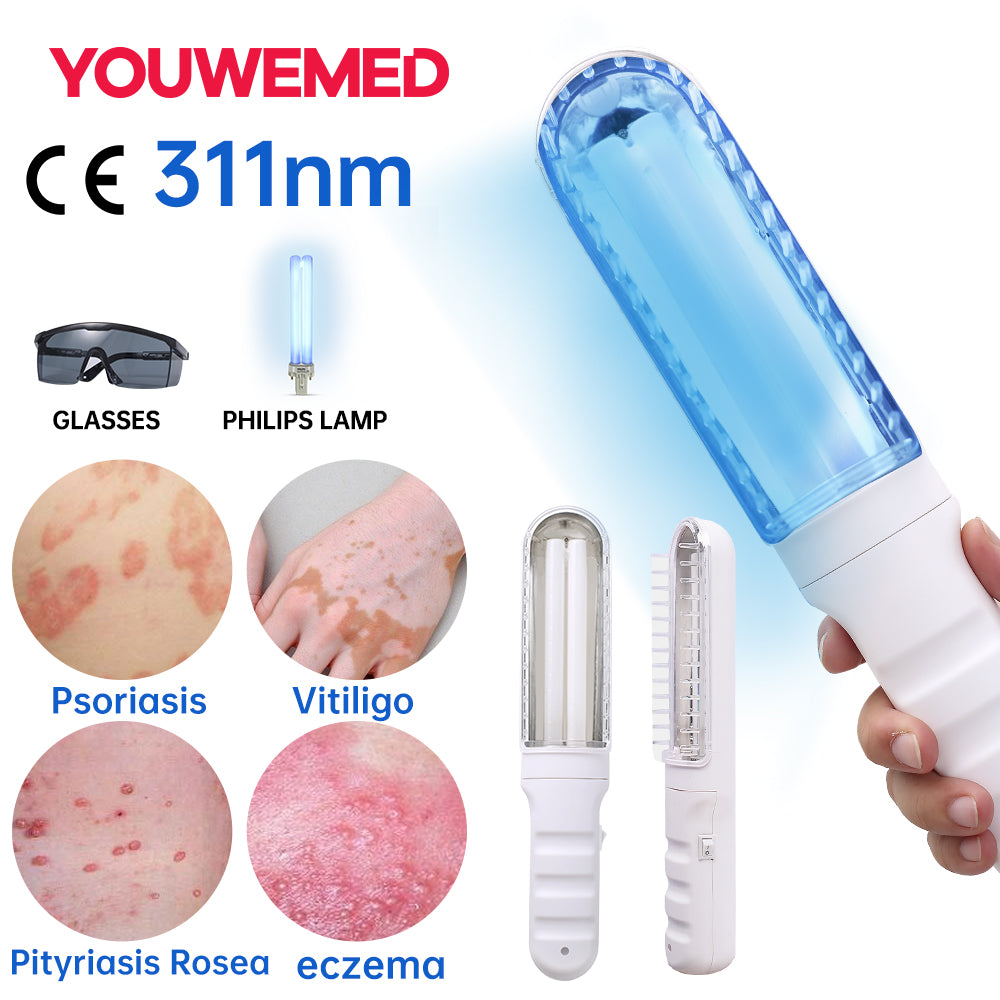


Бытовой инструмент для фототерапии UVB 311нм | YOUWEMED

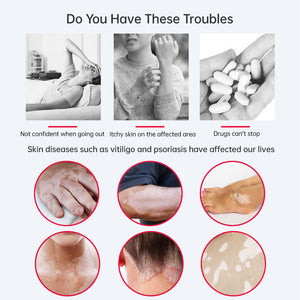
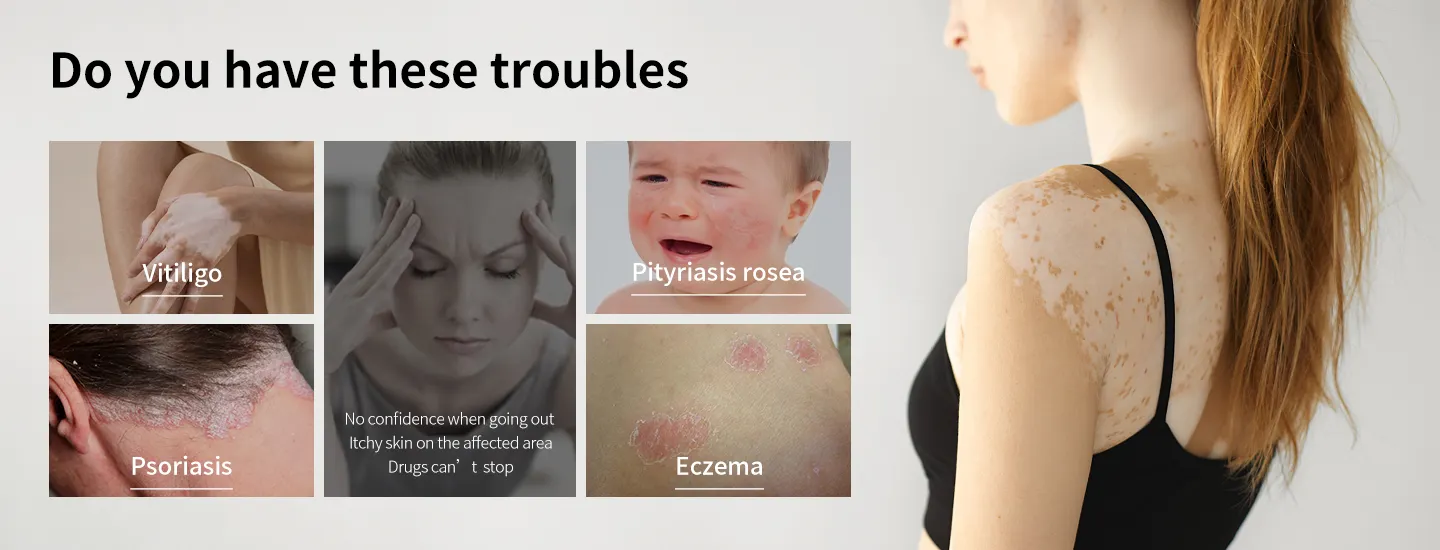
Широкое применение Витилиго, Псориаз, Экзема, Розовый лишай
Особенности продукта
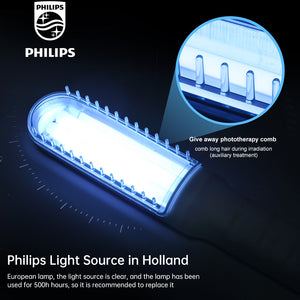
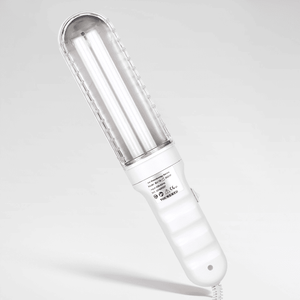
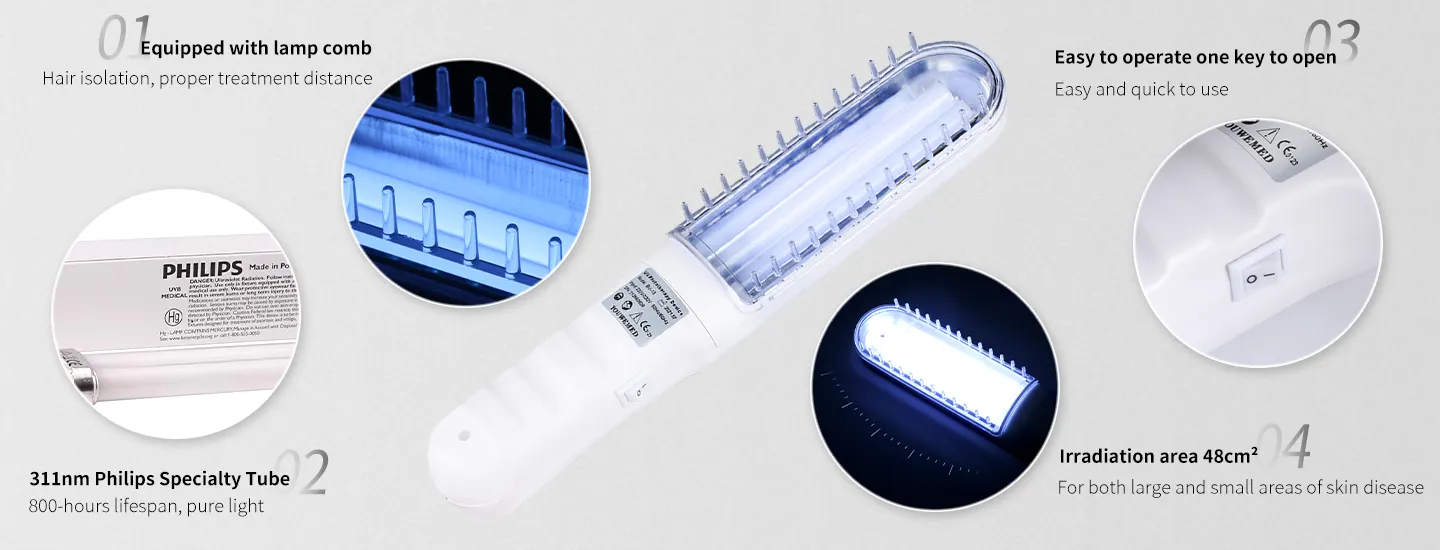
Оснащено ламповым гребнем Специальная трубка Philips 311нм
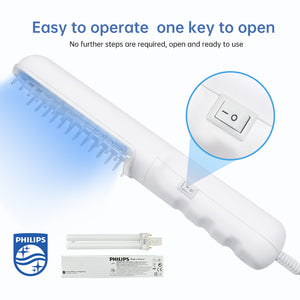
Площадь облучения 48см² Легко управлять одной кнопкой для включения
Видео устройства УФБ фототерапии
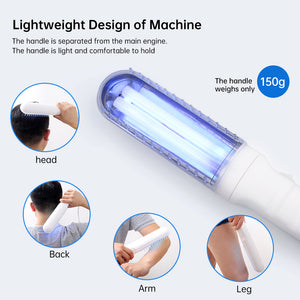
Портативное устройство фототерапии 311нм, использующее специальные ламповые трубки Philips, с чистым источником света и сроком службы до 800 часов. Оснащено гребнем для света, который может изолировать волосы и определять расстояние лечения. Один щелчок переключателя, просто и легко в использовании.
-
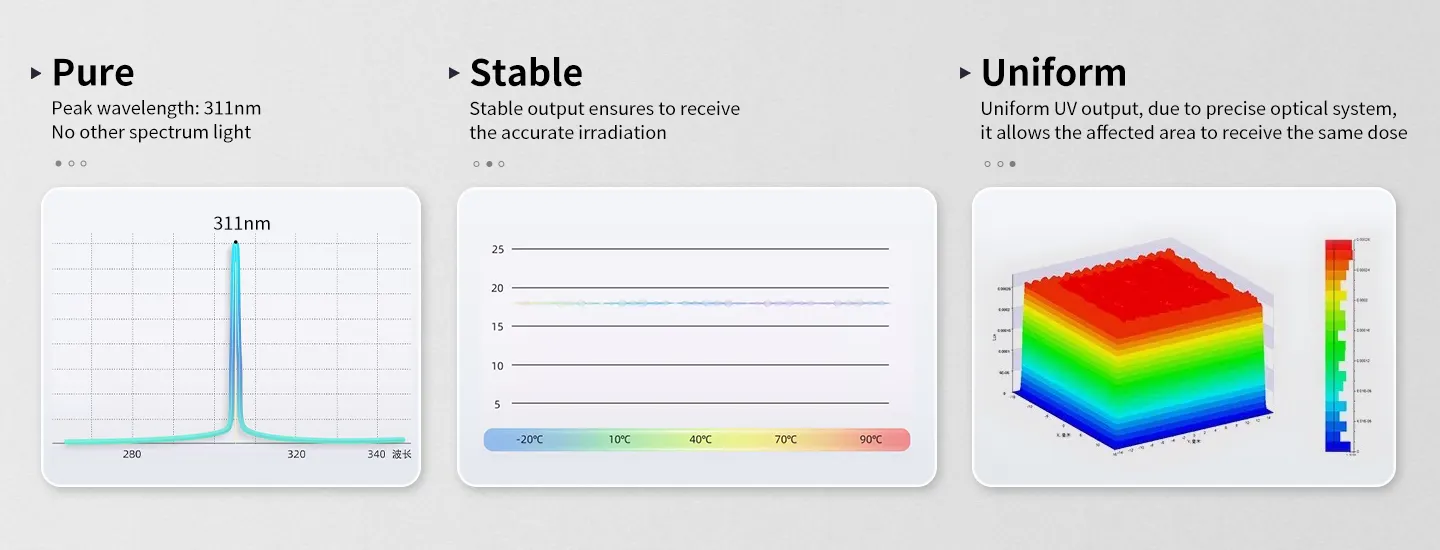
Чистый Пиковая длина волны: 311нм. Без другого спектра света.
-
Стабильный Стабильный выход обеспечивает получение точной иррадиации.
-
Однородный Однородный УФ-выход, благодаря точной оптической системе, позволяет пораженной области получать одинаковую дозу.
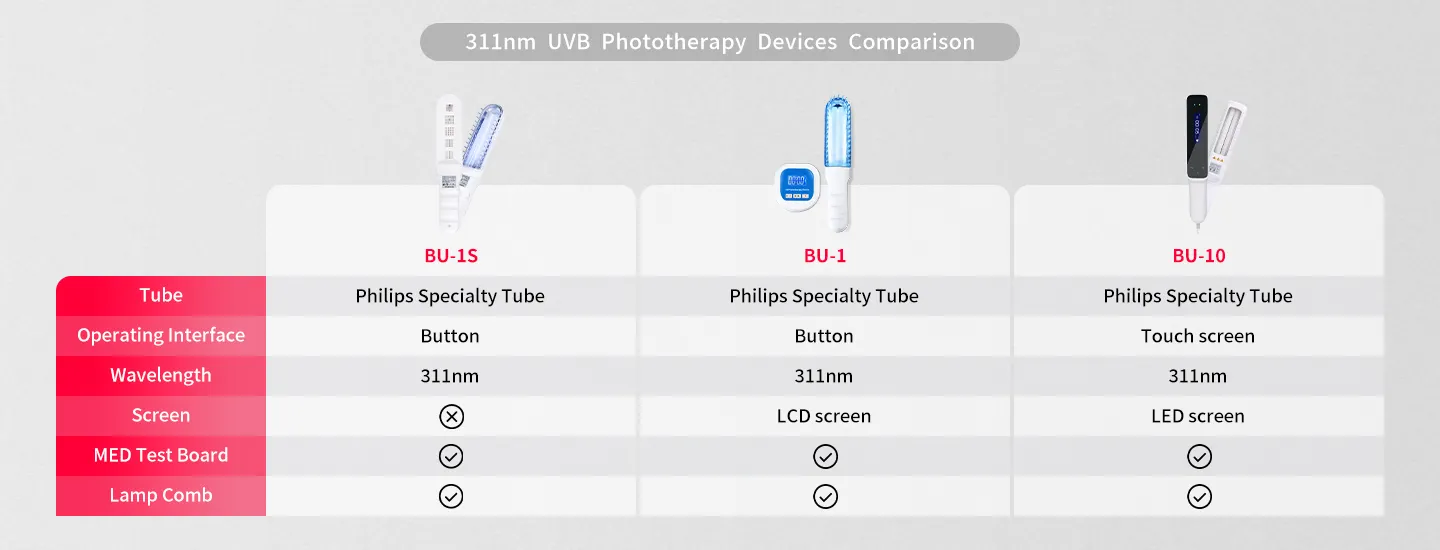
Сравнение устройств фототерапии 311нм УФ
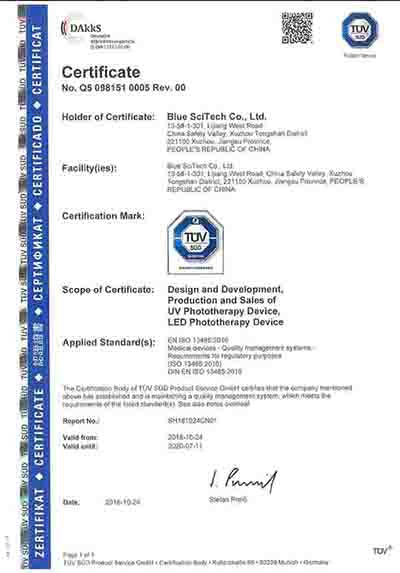
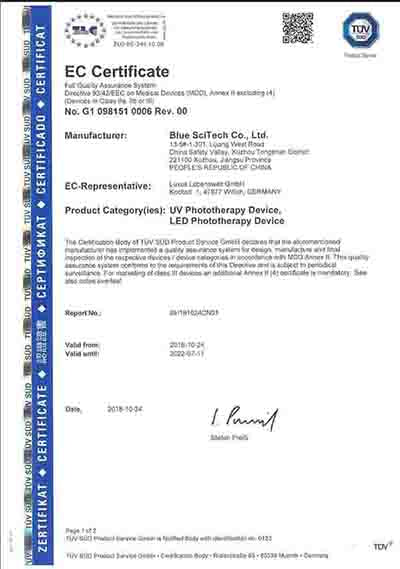
Наша сертификация ISO13485 IS09001 CE

YOUWEMED является ведущей компанией, специализирующейся на медицинских устройствах, которые обладают высокой производственной мощностью и гибкостью для удовлетворения разнообразных рыночных требований.
YOUWEMED настаивает на том, чтобы приносить здоровье нашим клиентам и удобство нашим партнерам. У нас есть комплексная система послепродажного обслуживания и мы можем предоставить OEM&ODM услуги.

В наличии


Product Features


Product Specifications
Model: BU-1S, Powered by Philips PL-S 9W/01/2P.
Dimensions: 300 × 55 × 45 mm
Gross Weight: 0.48 kg
Emission peak: 311 nm (narrowband UVB)
Irradiance: ≥ 7 mW/cm²
Brand: YouWeMed
Manufacturer: Blue SciTech Co., Ltd.
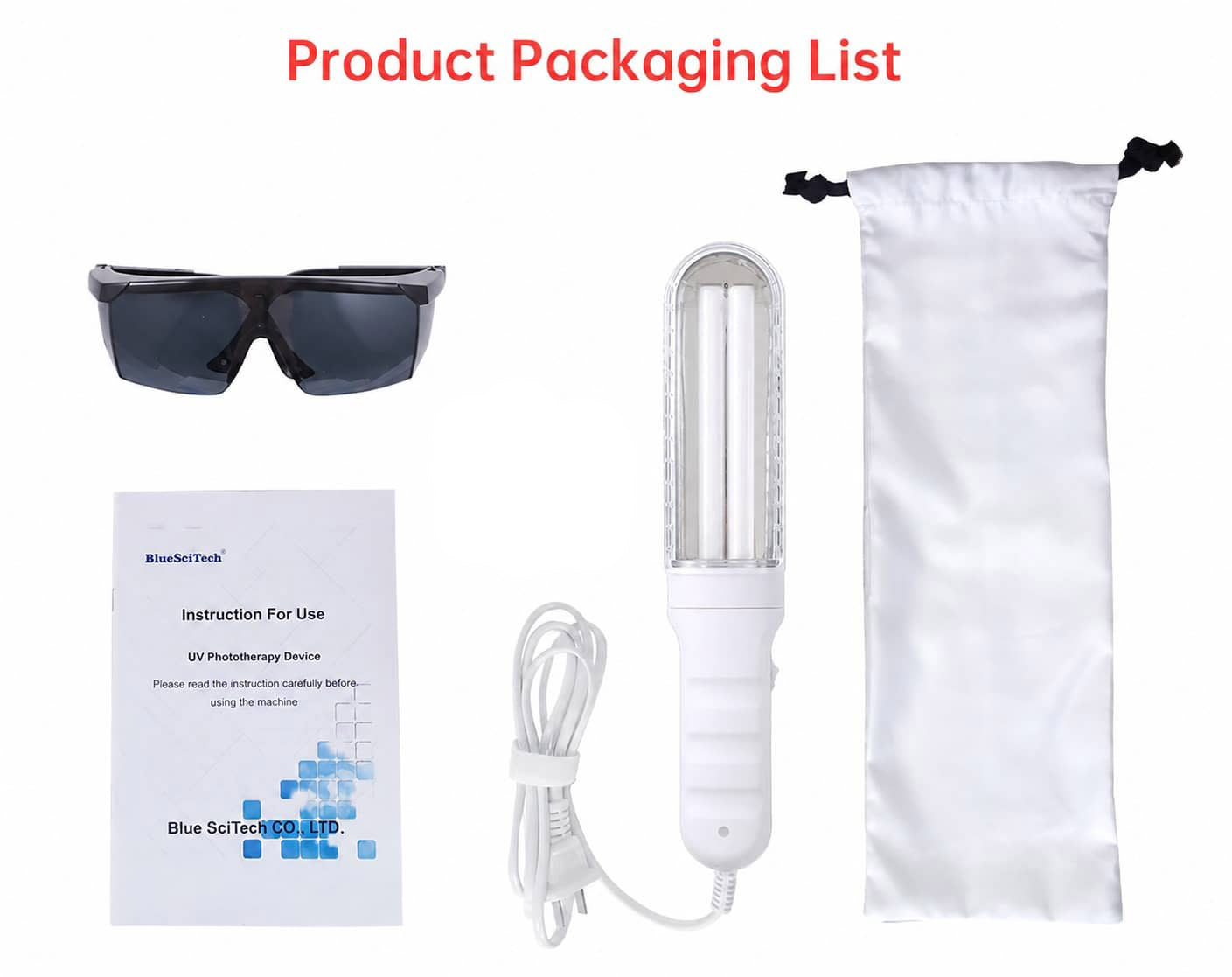
Package Includes: BU-1S unit, Philips UVB lamp (installed), light comb, goggles.

How To Use?
1. Initial Exposure Time
Adults: 30 seconds
Children: 15 seconds
These are general starting references only. Actual exposure time should be determined according to individual skin sensitivity, treatment area, device irradiance, and professional guidance. Children should use the device under medical supervision.
2. Erythema criteria: Check the skin response before each session and adjust the next exposure time accordingly.
3. Dose adjustment: Increase, maintain, or pause exposure depending on the erythema response.
4. Treatment Frequency: Treat every other day, approximately 3–4 times per week, if appropriate for your prescribed treatment plan. Allow at least one full day between sessions and ensure the skin has fully recovered before the next treatment.
Important: UVB exposure time and frequency vary by individual. Follow your dermatologist or healthcare professional’s recommended treatment schedule and do not increase exposure time without professional guidance.
Treatment Summary
Initial irradiation
Suggested first exposure time: 30 seconds.
Complete the first session during this time window.
Check skin response
Pause exposure
Continue to evening assessment
Continue to evening assessment
Second-day decision
Pause exposure
Irradiation: increase time by 15%
Irradiation: increase time by 20%
Third-day decision
Irradiation: maintain the last exposure time
Irradiation: increase time by 10%
311nm Optical Performance & Quality Control
Focused 311nm Output
Uses a Philips narrowband UVB lamp with a peak wavelength around 311nm for targeted phototherapy applications.
Consistent Light Performance
The optical system is designed to provide consistent UVB output during normal operation.
Uniform Light Distribution
Designed to distribute UVB light evenly across the 48 cm² irradiation area.
UVB Phototherapy Device Comparison
Side‑by‑side look at features, specifications and price — YOUWEMED highlighted for value.
| Feature |
YOUWEMED
 Best Value |
Competitor A

|
Competitor B

|
Competitor C

|
Competitor D

|
|---|---|---|---|---|---|
| Price (USD) | $179 | $1,375.30 | $303.88 | $299 | $399.99 |
| UVB Wavelength | 311 nm NB‑UVB (Peak 311 nm) | Narrowband UVB + UVA interchangeable | 311 nm NB‑UVB | 311–312 nm NB‑UVB | 311 nm NB‑UVB (Peak 311 nm) |
| Lamp Model | Philips PL-S 9W/01/2P | 1 High‑Intensity Lamp | Dermfix 9 W UVB 311 nm Fluorescent | Philips PL‑S9W/01/2P | Philips Narrowband UVB Bulb |
| Lamp Life | ~800 h | — | ~400 h | 500 h | ~1,000 h |
| Treatment Area | 48 cm² | — | — | 48 cm² | 5 cm × 2 cm |
| Control Mode | Manual On/Off | DT Time Mode | Time Mode (External Timer) | One‑Button / Continuous + Intermittent | Time Mode (Built‑in Digital Timer) |
| Display | No Display | Built‑in Digital Timer | External LCD Timer | Basic LED + Built‑in Timer | LCD Screen + Digital Timer |
| Weight | 0.15 kg | 0.8 kg | 1.1 kg | 0.74 kg | — |
| Certifications | CE, ISO 13485, ISO 9001,FDA | — | European Class IIa | CE, FDA | FDA, FCC, CE |
Specifications based on manufacturer data. Prices are official MSRP in USD.
Product Certification


FAQs
You have questions, we have answers.
How long does vitiligo phototherapy usually take?
Treatment time varies by the size, location, and age of the white patches. Facial areas often respond faster, while hands and fingers may take longer. Many users continue phototherapy for several months.
Do I need protective glasses when using the BU-1S?
Yes. Patients and anyone present during treatment must wear appropriate UV-protective goggles. Never look directly at the UVB light or direct the operating lamp toward the eyes.
When can I expect to see the first signs of repigmentation?
Some users may begin to notice small areas of repigmentation after about 1–4 months of consistent treatment. Results vary depending on the treatment area and individual skin response.
Can pigmentation disappear again after successful repigmentation?
Yes, repigmented areas may lose pigment again, especially if vitiligo is still active. Continued observation and maintenance treatment may be recommended after improvement.
Can the BU-1S be used around the eyes?
Do not direct UVB light toward the eyes. Always wear appropriate UV-protective goggles during treatment. Treatment of the eyelids or areas close to the eyes should only be performed under the guidance of a qualified dermatologist.
Can I use the BU-1S during summer?
Yes, but avoid combining intensive sunlight with UVB treatment. If the skin is sunburned or irritated, wait until it has recovered before continuing phototherapy.
When can I restart UVB treatment after redness or sunburn?
Wait until redness, pain, swelling, or irritation has fully subsided. If blistering occurs, stop treatment and allow the skin to recover before restarting with a shorter exposure time.
Why didn’t my skin become red after the first BU-1S treatment?
This is normal because the first sessions use a short starting time to test skin response. The BU-1S guide starts at 30 seconds, then exposure can be gradually increased if no erythema appears.
It arrived in working condition; everything works. My daughter has had a white stripe on the inner thigh since birth, and the skin on the white stripe is rough in places. After using it, her skin turned red the next day, so I’ll use it every other day. My son has a mole on his cheek with a light-colored spot around it; we tried it on him too, and I’ll wait to see the results. My husband has relatives with vitiligo and psoriasis, so I hope this helps.
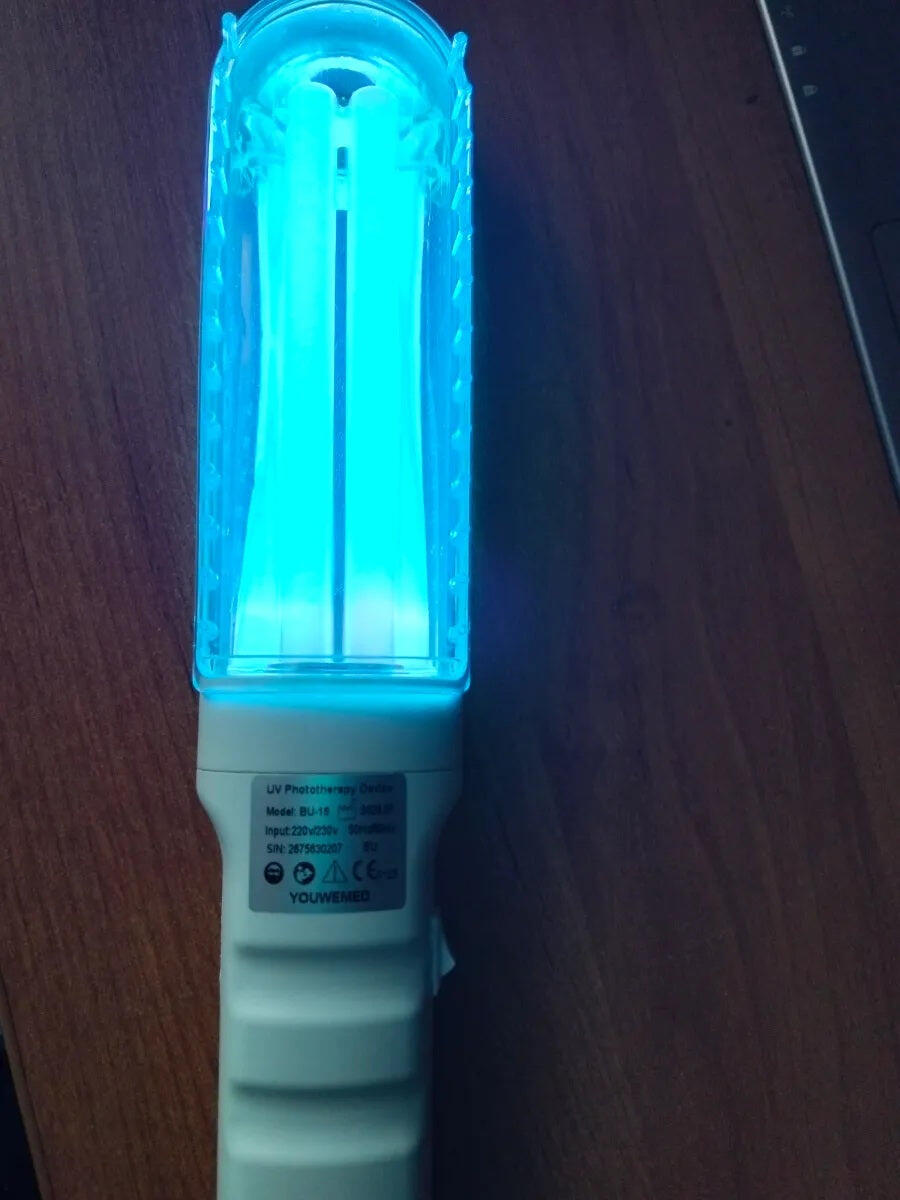
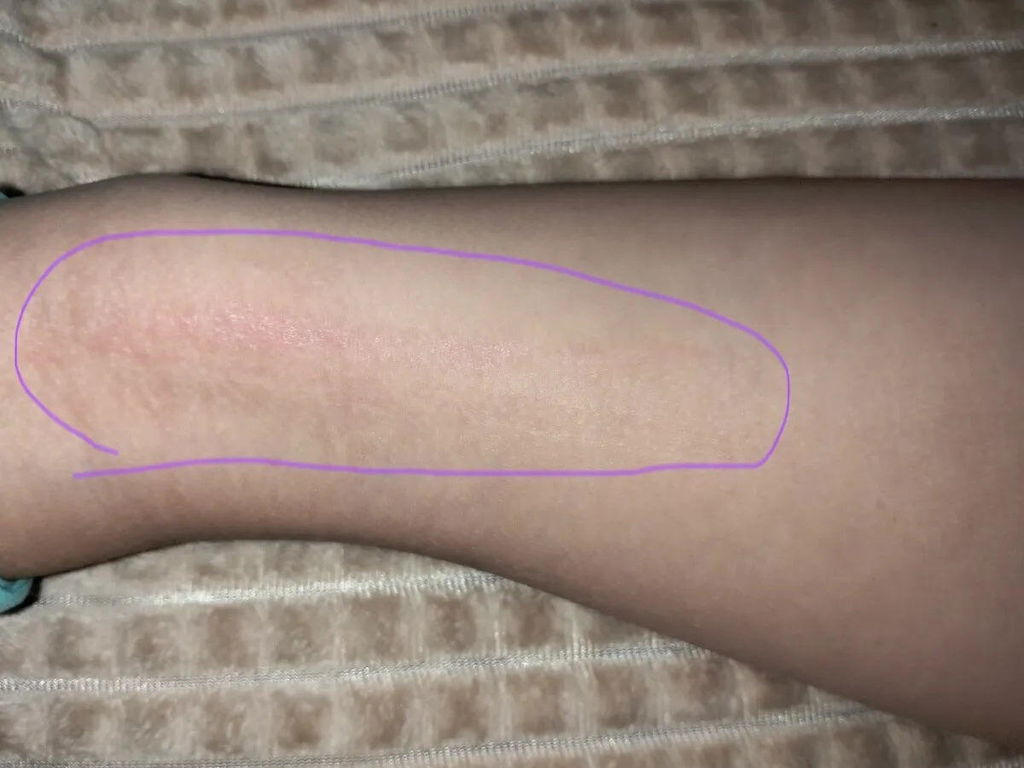
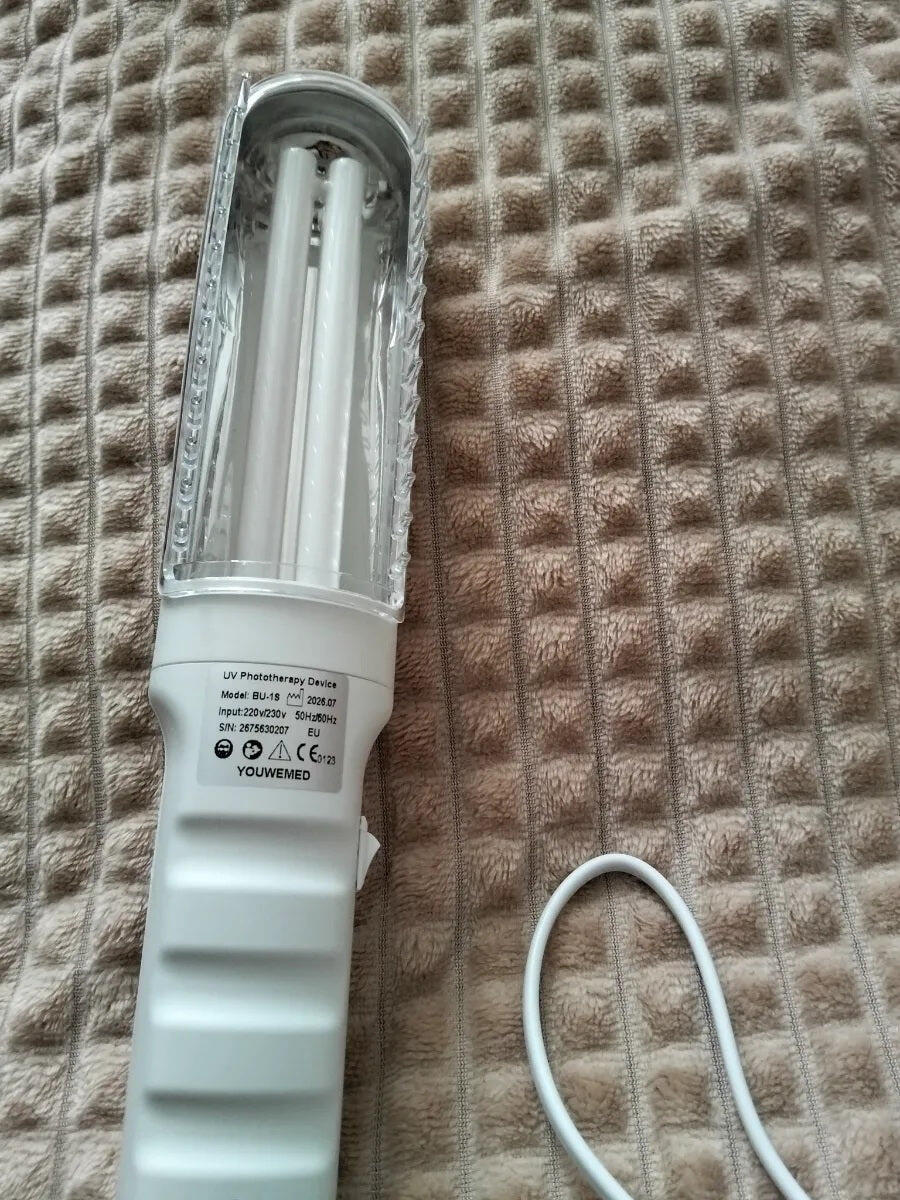
Thank you for your feedback. We're glad the device arrived in working condition. Since you mentioned skin redness and use on children, we recommend pausing treatment and consulting a dermatologist before further use, especially for skin changes that haven't been professionally diagnosed.
The order took nearly 9 days to arrive; it seems customs was the reason. Everything was very well packaged—the cardboard box containing the device was placed inside a bubble wrap bag. In addition to the device itself, the package included a carrying case for the device, a carrying case for the adapter, a pair of glasses, the adapter manual, and a product information sheet. The device powers on and is currently working properly. Thank you to the seller. I recommend this seller.
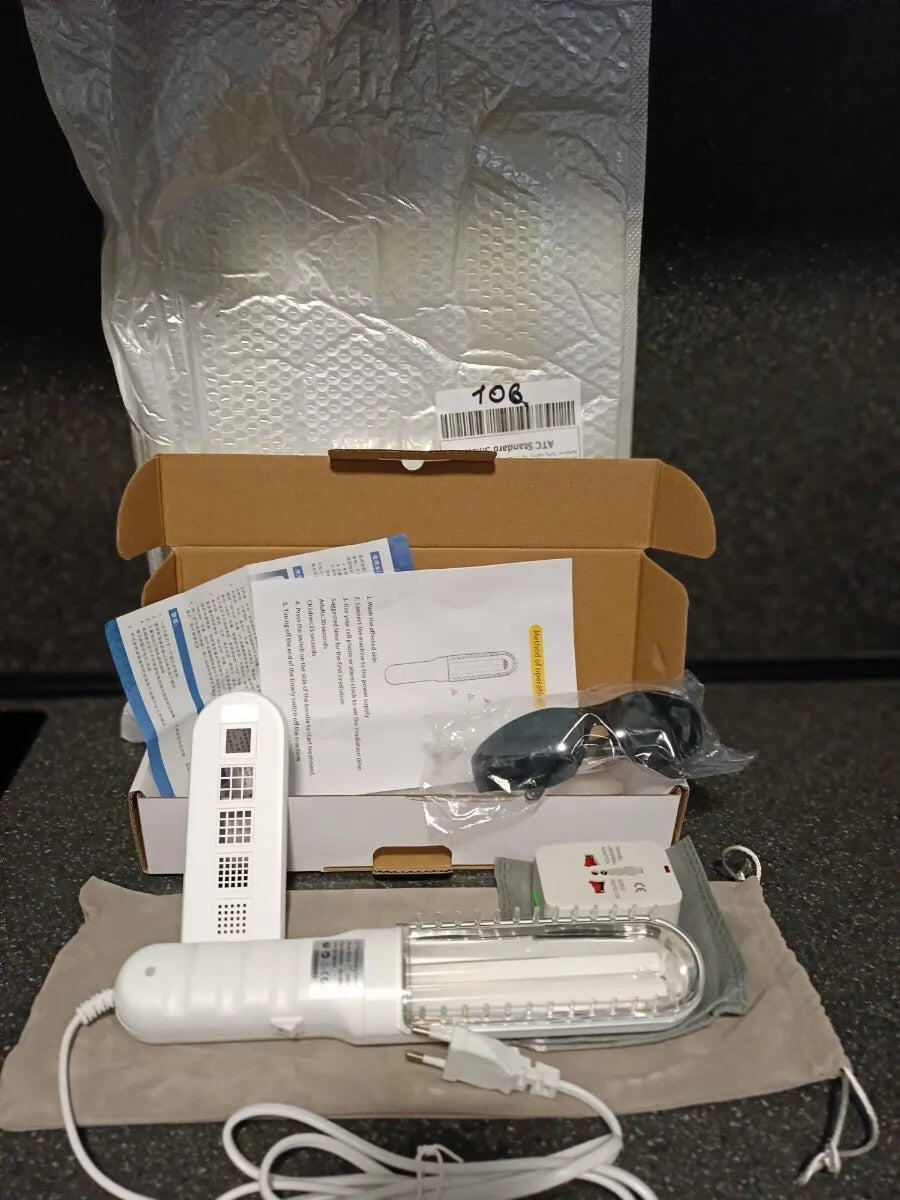
The light fixture is high-quality, easy to use, and arrived in perfect condition. It works great. Highly recommended!
Thank you to the manufacturer and seller for their excellent service!
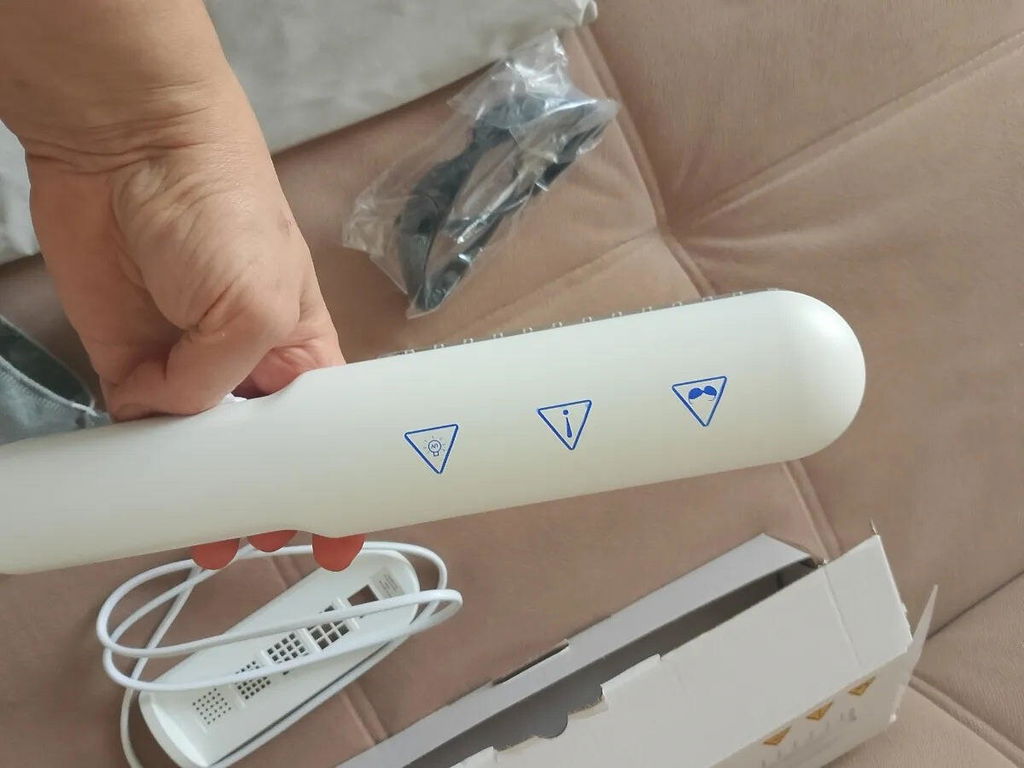
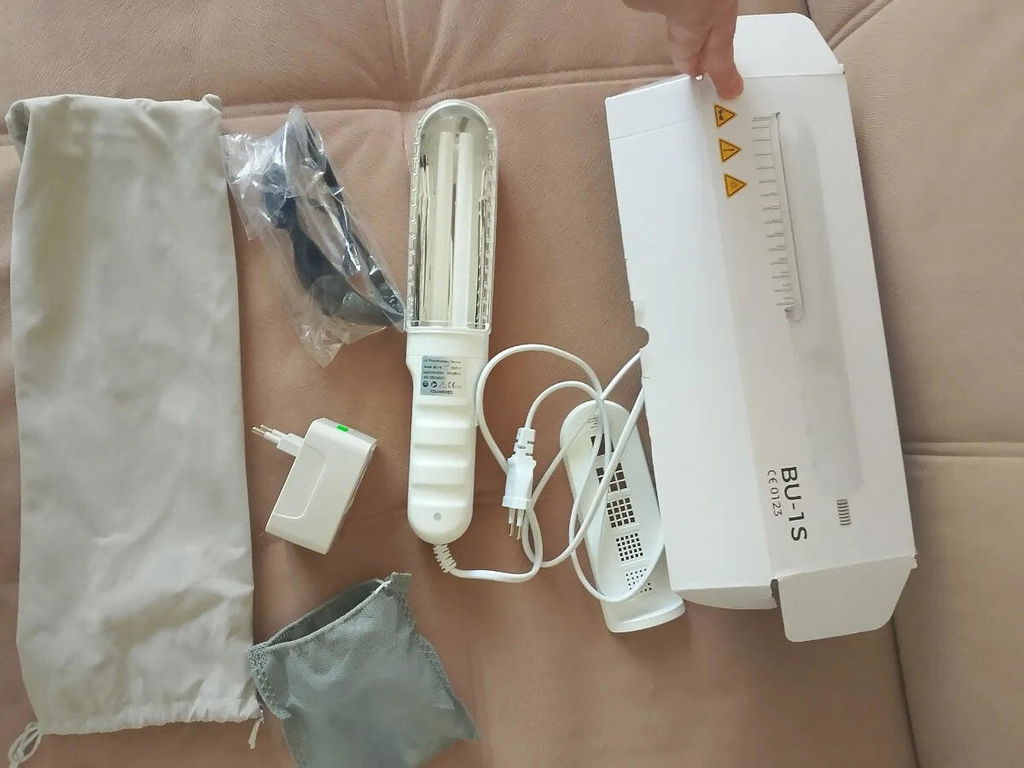
All good. I have bought this item before and I can say that it is effective in therapy. The downside is that there comes a time when the PHILIPS bulb no longer pigments, it only turns on and even darkens the skin, which makes the treatment less effective. It would be ideal to replace the bulb once the 800 hours of use have been completed.
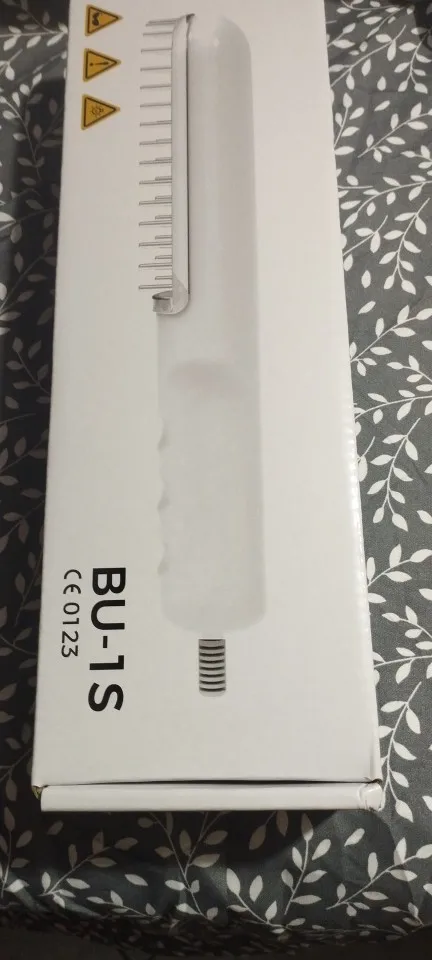
This product is so good
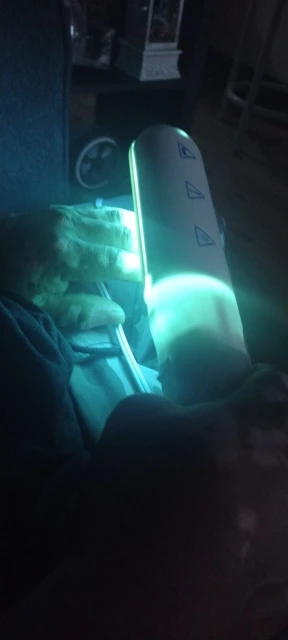
I've been using this UVB light for my psoriasis. It's definitely not an overnight fix, but my skin seems a little less flaky now. Still a long way to go, but I'm seeing some progress. So far, so good!
The lamp is in good working order and can be turned on; it is confirmed to be an ultraviolet lamp. Time will tell how effective it is for treatment.
Perfect.
A very powerful device, but be careful with its duration on the body; it caused me discomfort.
Honestly, I thought it would be more complicated, but it’s basically plug it in, press the button, and it’s on. The light comes on right away with no annoying flickering. It’s also much lighter than I expected, which is a big plus.
Smaller and lighter than I expected, which makes it easy to store and carry. The detachable comb is also useful when positioning the light around areas with hair. Overall, a practical little device.
I like that it doesn't take up much space. It's easy to store when I'm not using it and much more convenient than having a large piece of equipment at home.
I was looking for a reasonably priced UVB lamp for home use and decided to give this one a try.It's fairly basic, but that's all I really needed. So far, it's been a practical choice.
I have used the product a few times and have not had any issues; I will continue to use it.
Very straightforward to use.There aren't a lot of complicated settings, which I actually prefer. It only took me a few minutes to figure everything out.
It arrived in perfect condition, quickly and without complications. This is appreciated as this product is difficult to ship.
I hope it's good, I'm encouraged by the recommendations with artificial intelligence and the reviews. I will update my review after some time since I've only used it twice.
It arrived very well protected, which is appreciated.
I didn't need to communicate with the seller, so I can't say anything. What I can say is that it took less time than the estimated time.
Thank you very much
Excellent
It seems good. I hope it works for me.